
Senate Agenda Committee
This Committee consists of the Chair of the Senate who will act as chair of the Committee; the Secretary of the Senate who will be its secretary; and four additional Senators elected annually by the Senate from among the elected members of the Senate. The election of the Agenda Committee shall take place in the spring semester preceding the academic year of its incumbency. After the annual Senate elections have been completed, the existing Agenda Committee shall call the Senators-designate to an organizational meeting for the sole purpose of electing the Agenda Committee for the forthcoming academic year. The officers of the existing Senate shall conduct the organizational meeting. The new Agenda Committee and the new Senate shall succeed to their responsibilities on July 1 or earlier with the agreement of the prior year’s Agenda Committee.
Roles for the Senate Agenda Committee:
1) This Committee arranges the agenda for all Senate meetings, submits all assignments to standing committees, and establishes ad hoc committees for special studies whenever necessary. An item of business may, however, be brought before the Senate for discussion without approval of the Agenda Committee if (i) a motion to do so is made and seconded, in writing, directly to the presiding officer of the Senate, and (ii) a majority of the Senate agrees to the discussion. The item shall then become an item of business at the next succeeding meeting.
2) The Financial Affairs Committee and the Administrator Evaluation Oversight Committee shall be staffed and charged each year. The remaining committees shall be staffed and charged in most years, as needed. The Agenda Committee may also establish ad hoc committees at its discretion. Detailed descriptions of all Standing Committees are maintained in a separate document.
3) All Senate committees are responsible to the Agenda Committee and must submit their reports to it for review before presentation to the Senate. The Agenda Committee will have the right to return reports to committees if it feels it necessary.
4) The Agenda Committee also provides a regular channel for consultation and communication between the faculty and administration in matters of new programs, planning, and University policy by meeting regularly with the President and the Provost of the University.
5) The Agenda Committee shall be represented by one or more of its members on University-level committees that affect the academic endeavors of the University, including those dealing with issues such as financial planning and technology policy, and shall encourage the participation of other faculty members on these bodies.
6) The Agenda Committee meets at least once each year with the Academic Affairs Committee of the Board of Trustees to report on Senate actions and issues coming before the Senate, and to discuss matters of mutual concern. By mutual agreement, the committees may hold more frequent meetings.
7) At each Senate meeting the Agenda Committee shall present an oral or written report briefing the Senate on its activities.
Dee Spencer

Heidi Kevoe Feldman
Cecelia Musselman

Michelle Carr
Adeel Bhutta
Peter Desnoyers
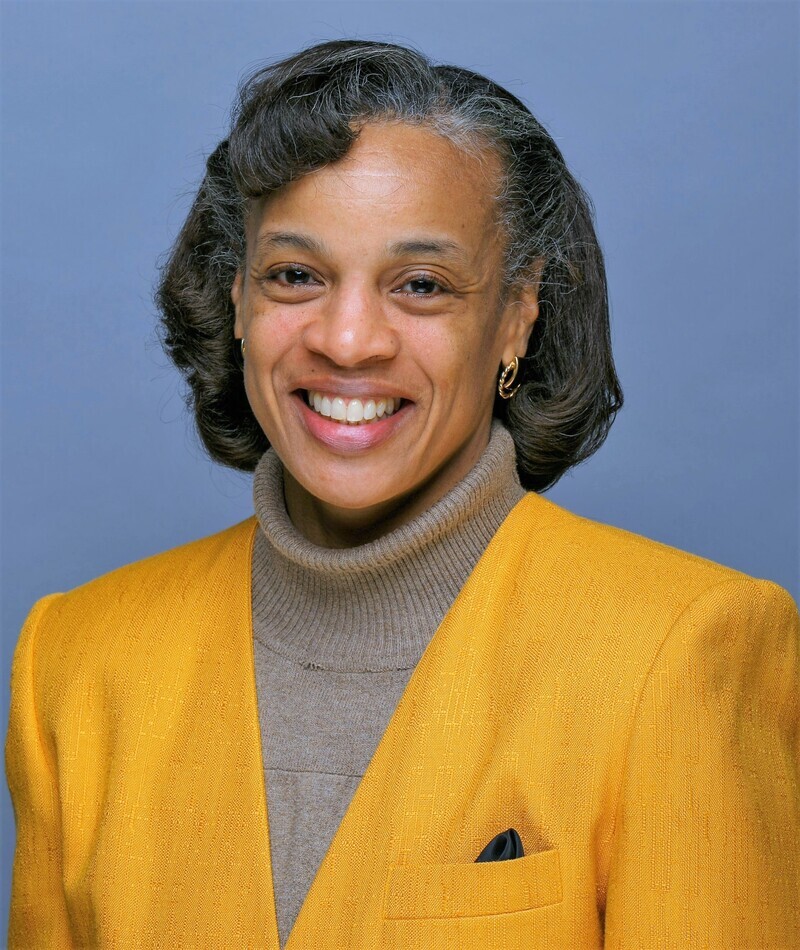
Darcelle Lahr
Standing Committees
University Undergraduate Curriculum Committee (UUCC)
Background to the Charge
The UUCC is the University Undergraduate Curriculum Committee.
The UUCC shall be composed of one full-time faculty member from each college (chosen annually by each college’s curriculum committee), the Associate Dean in charge of undergraduate programs from each respective college, one faculty-member-at-large from the full-time faculty (appointed by the Senate Agenda Committee), one representative from the Student Government Association, and non-voting members from the Registrar’s Office and the Library. The Chair of the UUCC shall be the Provost, or their designee. The Chair will vote only in the event of a tie.
The UUCC is charged by the Faculty Senate to “consider and make recommendations to the Senate concerning any proposals for undergraduate curriculum changes.” The UUCC is “the Senate’s designee in considering interdepartmental and inter-college disputes arising from matters concerning courses or programs offered or proposed.”
Members
- Kirwin, Jennifer BCHS
- Hoppmann, Michael CAMD
- Jaeggli, Michael COE
- McElligott, Missy COS
- Clair, Erin CPS
- Mathras Fay, Daniele DMSB
- Green, Laura CSSH
- Wilson, Christo Khoury
- Hescott, Ben Khoury
- Bailey, Meryl Mills
- Bessette, Michael BCHS
- Zarow, Fox CAMD
- Gouldstone, Andrew COE
- George, Prasanth COS
- Rego, Michelle CPS
- Smith, Matthew CSSH
- Kurt, Didem DMSB
- Bhalerao, Rasika Khoury
- Averett, Maia Mills
- Ingemi, Jennifer Faculty At Large Appointee
- DiPasquale, Nicholas Student Member
- Dinani, Thandi GEO/Academic Integration & Planning
- Karen Merguerian, Gayane Library
Documents
University Graduate Curriculum Committee (UGCC)
Members
- Kirwin, Jennifer BCHS
- Harteveld, Casper CAMD
- Kamarthi, Sagar COE
- Tan, Tracy COS
- Bolick, Christopher CPS
- Klepper, Kate DMSB
- Ma, Jun CSSH
- Shesh, Amit Khoury
- Madison, Kristin SOL
- Bailey, Meryl Mills
- Markowski, Alycia BCHS
- Kim, Miso CAMD
- Su, Ming COE
- Lippner, Gabor COS
- Crystal, Annine CPS
- Dau, Luis DMSB
- Guidotti-Hernandez, Nicole CSSH
- Shesh, Amit Khoury
- Addison, Quisquella SOL
- Wang, Susan Mills
Documents
Faculty Development Committee (FDC)
Background to the Charge
This Committee is concerned with the rights and status of faculty personnel, including standards of tenure, promotion, and advancement for university faculty; and questions of professional development, academic freedom, and economic welfare.
Committee Charge
Charge 1: IMPLEMENTING AI TO IMPROVE FACULTY DEVELOPMENT RESOURCE PAGES
Based on recommendations provided in the 2024-2025 FDC Final Report (Charge 1 (shown below as items 1, 2, and 3), in collaboration with the Provost’s Office and Northeastern IT, develop an Action Plan to implement an integrated Faculty Resource Information Webpage (reference existing NU webpage links provided in Appendix A of the 2024-2025 FDC Final Report). Namely:
Prior to developing the Action Plan, the FDC shall thoroughly review the 2024-2025 FDC Final Report, and examine the Northeastern resources that may already provide any of the 2024-2025 FDC recommendations.
- Use AI to personalize resource suggestions for faculty: Integrate an AI-driven recommendation system into the faculty information page to enhance the user experience. By leveraging machine learning algorithms, the system would analyze faculty preferences and browsing behavior to provide personalized resource suggestions. For instance, if a faculty member regularly accesses research funding opportunities or tuition assistance, the system would highlight those resources or suggest related content. This approach not only saves time but also increases engagement by ensuring faculty members quickly find the most relevant resources.
- Implement AI-Powered Search with Contextual Understanding: To make it easier to find resources, an AI-powered search should be added to the website. Using natural language processing (NLP), the search can understand what users are looking for and give more accurate results. For example, if a faculty member searches for “mental health support,” the AI will show results for faculty-specific counseling and wellness programs. This will help faculty find what they need more quickly and accurately.
- AI-Driven Resource Organization and Real-Time Updates: To keep the website up-to-date and active, use AI to help automatically manage and update content. AI can monitor linked pages, flag outdated or new resources, and alert administrators to review them. AI can also track user activity to find missing resources or suggest better ways to organize the content. This will ensure the site stays relevant and meets the changing needs of faculty.
Charge 2: IMPROVING FACULTY/ADMIN COMMUNICATIONS
The 2024-2025 FDC provided recommendations for improving faculty/admin communications in its Final Report (Charge 3).
Therefore, the 2025-2026 FDC shall:
1. Review the 2024-2025 FDC Final Report
2. Based on the recommendations provided (below), work in collaboration with college Deans to identify whether the recommendations are actionable.
3. For those recommendations that are considered actionable, identify steps required to operationalize the recommendations.
4. For those recommendations that are not considered actionable, report on reasons why.
- Improve Transparency and Address Faculty Concerns: Deans should communicate clear expectations regarding faculty working conditions, including available resources, benefits, and contract obligations (e.g., eight-month contracts and off-term expectations). Additionally, clear action plans should be communicated regarding reported workplace hazards or other unresolved faculty concerns, reinforcing trust and accountability.
- Establish Regular, Predictable Communication: Based on faculty preference and survey data, the Deans should send bimonthly or monthly emails to faculty. These communications should provide updates on faculty development, shared governance, and administrative decisions, ensuring transparency and reducing the perception of unilateral decision-making.
- Implement and Act on Anonymous Feedback Mechanisms: Support the Faculty Senate in creating multiple avenues for faculty to provide anonymized feedback (emails, surveys, forums, etc.), ensuring that input reaches unit heads, deans, and upper administration. Deans should regularly review and publicly address key themes from this feedback to demonstrate accountability and responsiveness.
- Strengthen Faculty Governance in Communication Channels: Work with the Faculty Senate to develop a college-wide email list that is controlled by the Faculty Senate, ensuring direct and unfiltered communication between faculty and their Senate representatives. This allows faculty concerns to be heard at all administrative levels and fosters a sense of shared governance.
Charge 3: The 2025-2026 FDC shall investigate and report on the process and outcomes of the 2021 Worcester Polytechnic Institute policy adoption to convert teaching faculty to tenure track faculty.
Members
- Fahey, Mary Lynn BCHS - School of Nursing
- Liu, Xiaoping DMSB - Supply Chain and Information Management
- McMartin-Miller, Cristine CPS
- Sanghrajka, Rush Chair - Khoury
- Herath Gedara, Chinthaka Pathum Dinesh COE - Graduate Engineering Programs
- Parsons, Chris CSSH - History
Documents
Financial Affairs Committee (FAC)
Background to the Charge
According to the Faculty Senate Bylaws, the Financial Affairs Committee is a standing committee of the Faculty Senate charged with two general functions:
- This Committee is concerned with all questions related to financial affairs of the University, including institutional surveys, reviews and recommendations on budgeting, and financial policies of the University.
- This Committee shall prepare annual recommendations for the improvement of faculty salaries and fringe benefits.
Committee Charge
Charge 1: FACULTY MERIT/EQUITY, & UNIVERSITY FINANCIAL REVIEW
The Office of the Provost has consistently been unable to approve proposed Faculty Resolutions to align faculty salaries with match mate institutions and among Northeastern faculty across campuses and colleges.
Therefore, the 2025-2026 FAC shall:
- Obtain from the Northeastern Office of University Finance current financial data outlining Northeastern’s 2024-2025 P&L, and P&L To Date;
- Meet with the Northeastern Office of University Finance to learn the processes used to allocate University funds among colleges, campuses, overhead (indirect costs), and other major corporate, functional, and operating functions;
- Meet with the Northeastern Office of University Finance to learn the processes used to allocate faculty merit and equity funds;
- Based on information obtained from the Northeastern Office of University Finance, evaluate the process outlined in the Faculty Handbook for merit and equity adjustments in order to provide recommendations for improvement, including regarding the appeals process for both merit and equity.
- Further, based on information obtained from the Northeastern Office of University Finance, assess whether the recommendations proposed under bullet #5 are in alignment with FAC Resolution # 11 (approved 02/17/2016) regarding Merit-Equity percentages:
BE IT RESOLVED That, although the percentage of the raise pool devoted to merit may vary among the academic departments (or the relevant academic unit where departments do not exist), it should be clearly defined and communicated to the faculty. It is proposed that merit not be less than 85% of the raise pool in any department/unit with the difference (no greater than 15%) going to equity.
Charge 2: RETIREMENT PLAN OVERSIGHT
The 2023-2024 FAC noted the following in its Final Report:
With regard to the previous resolutions passed in 2022-23 [to enhance the oversight of retirement plans, the fund menu, fees, and the quality of reporting to plan participants], the administration noted that the administrative action on several items was delayed due to active litigation regarding aspects of the retirement plan. … In conclusion, FAC urges future
FAC committees to vigilantly examine progress on the 9 resolutions presented in the 2022-23 FAC report.
In follow-up, the 2024-2025 FAC issued the following Resolution (Resolution #6, approved by the Office of the Provost 2/22/2024):
WHEREAS the 2022-2023 FAC report has provided several resolutions for the University to enhance the oversight of retirement plans, the fund menu, fees, and the quality of reporting to plan participants, and
WHEREAS University actions on the above-mentioned resolutions are still forthcoming,
BE IT RESOLVED that the Provost bring to the attention of the appropriate office the need for demonstrable progress on the resolutions concerning the retirement plan that were approved by the Senate in 2023.
Therefore, the 2025-2026 FAC shall examine whether 2024-2025 Resolution #6 has been implemented. If not, the FAC shall investigate why not, and if appropriate, follow through with implementation. Investigation and implementation shall be in collaboration with the Northeastern Office of Human Resources and Office of University Finance.
The referenced 2022-2023 FAC Resolutions are as follows:
WHEREAS the FAC conducted a thorough review of the Northeastern University retirement plan,
WHEREAS the NEU retirement plan currently has assets exceeding $2B and nearly 9,000 participants, with two recordkeepers, viz. Fidelity and TIAA-CREF, and
WHEREAS FAC identified several potential areas of improvement related to the plan’s fund menu, fees, and quality of reporting to plan participants,
BE IT RESOLVED that the Provost bring to attention of the appropriate office for evaluation several cost-saving actions including (1) negotiating a uniform dollar-per-participant record-keeping fee, (2) using lowest cost mutual fund share classes preferably those without embedded revenue sharing, (3) moving to a single record-keeper, and (4) prohibiting plan recordkeepers from soliciting or suggesting investment products outside the plan, and
BE IT FURTHER RESOLVED that the Provost bring to the attention of the appropriate office for evaluation the following actions, namely (5) the investment committee membership should be broadened to include participants with retirement plan expertise, and (6) that all members of the investment committee are ensured to have training in their fiduciary responsibilities, and
BE IT FURTHER RESOLVED that the Provost bring to the attention of the appropriate office for evaluation the following action, namely (7) a plan participant committee should be established to review the plan annually and suggest improvements to the retirement plan, and
BE IT FURTHER RESOLVED that (8) participant education should be provided independent of recordkeeper-provided advice, and (9) communication and website design should be improved to better convey information to plan participants.
Members
- Koticha, Apoo DMSB - Finance
- Herron, Richard DMSB - Finance
- Sridhar, Srinivas COS - Physics
- Wihbey, John CAMD - Journalism
- Stefanik, Joshua BCHS - Physical Therapy
- Copeland, Debra BCHS - Pharmacy and Health Systems Science
- McNabb, Joseph CPS - Graduate School of Education
Documents
Administrator Evaluation Oversight Committee (AEOC)
Background to the Charge
- This committee oversees and receives for review evaluations of the Provost, academic deans and unit chairpersons. These evaluations are conducted on a regular schedule, typically every three years. The timetable for such evaluations shall be maintained by the Office of the Provost and shall be provided annually to the committee. Evaluations are performed in accordance with rules and procedures passed by the Faculty Senate on December 2, 2009 and approved by the Provost on December 11, 2009.
- This committee appoints the faculty members who serve on the administrator evaluation teams, develops and provides evaluation guidelines, materials, and regulations for the teams, sets evaluation schedules and deadlines for the reports, reviews the outcomes, and submits the reports to the Senate Agenda Committee for final review and appropriate distribution.
- Based on its reviews, the committee may also make recommendations to the Senate Agenda Committee, to the Provost, or to appropriate Vice Presidents on changes in procedures and/or evaluation instruments as deemed necessary.
Members
- Paparounas, Demetra Chair - DMSB - Supply Chain Information Mgt Group
- Shrivastava, Aatmesh Vice Chair - COE - Electrical and Computer Engineering
- Dionne, Brandon BCHS - Pharmacy and Health Systems Sciences
- Hagen, David CPS
- Godoy-Carter, Veronica COS - Biology
- Chang, Angela DMSB - Marketing
- Israel, Michelle COS - Co-op Coordinator
- Sasani, Mehrdad COE - Civil and Environmental Engineering
- Carlson, Alexa BCHS - Pharmacy and Health Systems Scineces
- DiVall, Margarita BCHS - Senior Assoc. Dean for Faculty Affairs and Belonging
- Ries, Justin COS - Marine and Environmental Sciences
Full-time Non-tenure-track Faculty Committee (FTNTTFC)
Background to the Charge
According to Faculty Senate legislation for Standing Committees, the Full-time Non-tenure-track Faculty is to be charged with reviewing and making recommendations on matters affecting this population of the Northeastern University community.
Committee Charge
Charge 1: In order to address current issues facing the full-time non-tenure-track faculty in the 2025-2026 AY, charge 1 will consist of developing and implementing an in-depth climate survey for the FTNTTF. The committee will look at past senate reports from FAC, FDC, and FTNTTC to assess the themes that have come up in the past to formulate questions. Our goal is to gather more qualitative information from the faculty of their core concerns. With their findings, the committee shall recommend 2-3 actionable resolutions or charges that address the main issues/concerns/themes to be looked at in the Spring of 2026 (or the 2026-2027 AY). The goal is to rank the top issues for FTNTTF in the 2025-2026 AY and to find solutions to those issues.
Charge 2: Research rolling contracts with security of employment policies at other institutions of higher education, including but not limited to Indiana University’s rolling contracts and the University of California’s Lecturer with Security of Employment (LSOE) and Lecturer with Potential for Security of Employment (LPSOE) positions. The committee will need to include a definition of a “rolling contract.”
In collaboration with the Provost’s Office, explore the feasibility of implementing similar contracts at Northeastern University. If feasible, work with the Office of General Counsel to add language to the Faculty Handbook in the Appointments, Promotions and Tenure module which provides for rolling contracts with security of employment in the appointments or reappointments of FTNTT faculty.
Members
- Chaudhary, Divya Khoury
- Maniar, Neil BCHS - Public Health and Health Sciences
- Harrington, Kelly COS - Behavioral Neuroscience and Psychology
- Homan, Erica COS - Biology
- Maxwell, Jessica BCHS - Department of Movement and Rehabilitation Sciences
Documents
Academic Policy Committee (APC)
Background to the Charge
- The Committee shall be concerned with questions of basic academic and research policy on an institutional level. Items to be dealt with should concern teaching loads, research procedures, academic requirements, classroom instruction, and all matters that pertain to classroom and laboratory activities.
- The Committee shall also consider any academic matter or proposed program brought before the Senate that deals with relationships between the Colleges or involves more than one College.
Committee Charge
Charge 1A: CLARIFYING & STANDARDIZING FACULTY WORKLOAD POLICIES
The 2025-2026 APC shall develop proposed language for the Faculty Handbook for the implementation of the following approved APC Resolution #13 (approved by Office of the Provost, 5/3/2024):
Whereas, the faculty of Northeastern University are integral to the academic and operational success of the institution, contributing through teaching, research, and service; and
Whereas, the current process for determining annual workload distribution and adjustments lacks a standardized approach for active faculty participation, potentially leading to discrepancies in expectations and responsibilities; and
Whereas, the Faculty Senate recognizes the importance of faculty well-being and professional development, which are directly impacted by workload assignments; and
Whereas, it is essential to ensure transparency, fairness, and mutual understanding in the workload determination process to foster a collaborative and supportive academic environment;
BE IT RESOLVED That, the Faculty Senate recommends the following amendments to the Faculty Handbook:
- Active Participation of Faculty in Their Workload Determination:
– The Faculty Handbook shall be updated to explicitly require that all faculty members, including Full-Time Non-Tenure-Track Faculty (FTNTTF), actively participate in the determination of their annual workload distribution.
– This participation shall include the opportunity for faculty to discuss and negotiate their workload assignments with department chairs or unit heads, ensuring that workload decisions are made collaboratively. - Collaborative Process for Workload Adjustments:
-Any adjustments to a faculty member’s workload, whether initial determinations or subsequent modifications, shall be made through a collaborative process involving the faculty member and their unit head.
– The Faculty Handbook shall state clearly that such adjustments are to be discussed and agreed upon with the faculty member before implementation, ensuring mutual agreement and understanding.
BE IT FURTHER RESOLVED That, the Faculty Senate charges the Faculty Handbook Committee (FHC) to promptly implement the proposed changes to the Faculty Handbook and collaborate with the Provost’s Office to ensure that all department chairs and unit heads are fully informed and trained on these updated procedures.
BE IT FINALLY RESOLVED That, this resolution shall be communicated to the university administration and to all department chairs, by the Provost’s Office, with the request for immediate action to update the Faculty Handbook in accordance with these recommendations.
Charge 1B: Once the proposed handbook language is developed, the 2025-2026 APC shall work in collaboration with the Faculty Handbook Committee (FHC), the Office of the Provost, and the Office of General Counsel (OGC) to develop FHC Resolutions calling for implementation of the final faculty handbook language amendments.
Charge 2: ADDRESSING WORKLOAD POLICY DISPARITIES
Based on the faculty survey conducted by the 2023-2024 APC, the Committee identified a number of issues of concern in its 2023-2024 Final Report (March 5, 2024). With respect to workload disparities, the APC noted:
Disparities Observed: The equity and flexibility in workload distributions across departments show considerable variation. Some policies explicitly account for personal circumstances (e.g., family leaves, medical leaves) and allow for workload adjustments to support faculty research and service contributions. In contrast, others offer limited flexibility, particularly in adjusting the heavy teaching loads typical for FTNTTF.
Implications: Departments with less flexible workload policies risk overburdening FTNTTF with teaching responsibilities, potentially at the expense of their professional development and contributions to research and service. This can lead to disparities in career advancement opportunities between FTNTTF and their tenure track colleagues.
Therefore, the 2025-2026 APC shall:
- Review the survey findings included in the 2023-2024 APC Final Report
- Contact each Northeastern college to determine whether the following recommendations have been implemented:
– Standardize Workload Policy Frameworks: All departments should adopt a standardized framework for workload policies that clearly delineates expectations for teaching, research, and service, tailored to the unique needs of each department. This recommendation considers the differences among various types of faculty.
-Standardize Workload Policy Frameworks: All departments should adopt a standardized framework for workload policies that clearly delineates expectations for teaching, research, and service, tailored to the unique needs of each department. This recommendation considers the differences among various types of faculty.
-Enhance Faculty Involvement: Implement formal mechanisms across all departments for FTNTTF to discuss and negotiate their workloads with department chairs. This should include annual reviews and mid-year check-ins to adjust workloads, as necessary. The faculty handbook should explicitly state that the initial annual workload determination, and any subsequent adjustments, if necessary, are collaborative processes between individual faculty members and their unit heads. This approach considers both the unit’s needs and the faculty’s needs for growth and development.
-Increase Flexibility and Equity: Develop university-wide guidelines that promote flexibility in workload distributions, allowing FTNTTF to engage more fully in research and service activities. This could include establishing minimum and maximum thresholds for each workload component and allowing for temporary reassignments to support faculty professional development. By addressing these disparities, Northeastern University can better support the professional growth and satisfaction of its FTNTTF, aligning with the goals of the one-faculty model and enhancing the overall academic environment. - For any recommendations that have not been implemented:
– Review the associated college or department workload policy (see Faculty workload policies page of the Faculty Affairs Resources page of the Office of the Provost website).
-Develop an Action Plan which defines the steps required to implement the recommendation.
-Action Plans should provide concise definitions for broadly framed recommendation terms and language, methods for implementation, and should identify any additional investigations required for implementation.
Charge 3: TRANSPARENCY & CONSISTENCY IN LEADERSHIP EVALUATIONS
Per APC Resolution #41 (approved by the Office of the Provost, 5/5/2025), the 2025-2026 APC shall undertake the following:
- In collaboration with faculty governance bodies in each college, develop and implement a confidential, standardized process for collecting annual faculty feedback on administrative appointees not already reviewed through the Administrator Evaluation Oversight Committee (AEOC), including senior associate deans, associate deans, unit heads (as defined by each college), and other administrators with significant impact and oversight of faculty.
- The feedback collection process shall include provisions to ensure that annual results are provided to the administrator’s supervisor and shared with faculty within the respective college.
Members
- Alexis, Jacques Chair - CPS - Graduate Education
- Bradley, Caitlin BCHS
- Franko, Deb Ex Officio Member - Sr Vice Provost Academic Affairs
- Hutchinson, Seth Khoury
- Mathieu Gonzalez, Kristen Co-chair - BCHS
- Theriault-Brown, Jordan COS - Psychology
-
Documents
Belonging Committee
Background to the Charge
The University Ombuds Office has collected data on faculty and staff concerns since 2017, providing annual reports on workplace trends to university stakeholders. Proactive responses to documented faculty concerns may mitigate risks associated with faculty retention problems, decreased morale, productivity disruption, grievances, potential litigation, and reputational harm. The Belonging Committee can serve as one mechanism by which to translate these faculty concerns into potential concrete institutional improvements.
Committee Charge
Charge 1: Meet with University Ombuds Diane J. Levin, J.D., to understand the scope of her work and available data, subject to her professional duty of confidentiality. Review faculty concerns from the University Ombuds Office (2017-present) and identify the most persistent and unresolved issues.
Charge 2: Meet with the co-chairs of the Presidential Council on Belonging (Dean James Hackney, SOL, and Dean Kellee Tsai, CSSH) and with Richard O’Bryant, Chief Inclusion and Belonging Officer, to identify and document the specific actions the university is taking to improve faculty belonging at Northeastern.
Charge 3: Working with the office of University Decision support, use data from the faculty surveys administered through the HERI survey and the One Northeastern Survey to identify patterns, concerns, and strengths in our community with attention to issues of feeling accepted, recognized, valued, and integrated within the NU community. Develop findings report from these surveys these surveys that highlight key findings and recommendations for areas that need improvement.
Charge 5: Present survey results to the Faculty Senate, the OUEC, and the Presidential Council on Belonging, and recommend specific improvements to address identified concerns.
Members
- Aljoe, Nicole CSSH - English
- Cassano, Jennifer Co-chair - MCNU - Education
- Gouhier, Tarik COS - Marine & Environmental Sciences
- Sah, Bhawesh DMSB - Supply Chain Information
- Smyser, Bridget Chair - COE - Mechanical and Industrial Engineering
Documents
Global Education Committee (GEC)
Background to the Charge
- Reviews questions concerning the global education across all university campuses in relation to immersive education, research, and workforce experiences.
- Prepares annual recommendations concerning improvements in global education policies and processes
Committee Charge
Charge 1: In collaboration with the provost and chancellor’s office examine funding options to develop and execute a Northeastern Network resource dashboard, proposed in the 2024-2025 Global Education Committee report, that outlines research and creative activities across colleges, members across NEU’s global network can learn about the other colleges, academic programs, research opportunities, etc. Is it feasible? Find and work with a vendor (currently unknown: could be a student group, IT, or external) to develop a tangible website to showcase the websites full potential.
Charge 2: In collaboration with the provost and global network office to develop opportunities to support (funding, etc.) connections between faculty working and teaching across NEU’s network campus, as proposed in the 2024-2025 Global Education Committee report. Activities include opportunities for collaborative research and experiential learning, co-teaching opportunities, hiring, faculty development, and university-wide networking.
Charge 3: In collaboration with the Handbook Committee and Chancellor’s Office, work with the Global Education Office to merge the current Faculty-Led Programs Handbook for Dialogue of Civilizations, as a module on the official Northeastern Faculty Handbook on the Provosts website.
Members
- Lykourinou, Vaso COS - Chemistry and Chemical Biology
- Soule, Deborah DMSB - Supply Chain Infor. Mgt. Group
- Zaarour, Nizar DMSB - Supply Chain Infor. Mgt. Group
- Morier, Dean MCNU
- Brown, Nicholas
Documents
Faculty Handbook Committee
Background to the Charge
The Faculty Handbook Committee will review the faculty handbook on an annual basis, for internal inconsistencies, inconsistencies with other University documents, and for language or content that may need updating, identify and research areas of concern for future action, and identify and propose changes inclusive of recommendations for new resolutions.
Committee Charge
Charge 1: Work from the 2024-25 Faculty Handbook Committee Final Report recommendations on 2024-25 Charge 3 to update the grievance process sections of the Faculty Handbook to present to the Senate in January 2026. The committee and SAC liaison will work with the Office of the Provost and the Office of General Counsel to turn prior recommendations into granular resolutions that can be implemented. The committee shall also consult with the Senate Agenda Committee on complex grievance situations. Draft resolution language is provided in the 2024-25 FHBC final report. The following grievance process matters are top priorities for revision:
- Grievance timeline and faculty member contract status at time of filing
- The role of the grievance committee
- The role, if any, of HR in the grievance process
- The role of the SAC liaison
- Clarify the process for grievances filed against the Provost or a member of the Provost’s Office to address conflicts of interest
Charge 2: Draft a sustainable, regular Faculty Handbook update process and create a resolution/set of resolutions to bring to the Faculty Senate in January 2026.
Members
- Desnoyers, Peter Khoury - Cyber Security & Privacy Institute
- Panagopoulos, Costas CSSH - Political Science
- Oyelaran, Oyinda Co-chair - COS - Chemistry and Chemical Biology
- Rejtar, Marketa Chair - BCHS - School of Nursing
- Stankard, Kristin BCHS - Nursing
- Strange, Laney Khoury
Documents
Research Policy Oversight Committee
Committee Charge
Charge 1: Because of ongoing changes to the university’s procurement process and system updates, the RPOC will work with the Associate Deans of Research to identify where communication channels are broken so that faculty receive timely information about Northeastern research policy updates.
Charge 2: The committee shall review the policy on policies, including the tenure clock, and provide a summary report on existing policies on research. Specifically, the committee shall identify the specific policies that address research disruptions due to circumstances such as funding delays or disruptions or regulation changes.
Charge 3: The committee shall review the policies related to research activities and shared spaces. In particular, the committee should develop a resolution to implement a university-wide shared research space policy that works towards creating equitable agreements concerning the use and operation of shared resources within and among departments and colleges. The following items should be examined leading to resolutions: (a) The College of Engineering’s Research Space Policy that includes a provision for the operation of shared spaces; (b) The “Shared Space Charter Template” in the Provost’s office (see RPOC 2020-21 for a copy of the template); (c) work with the Sr. Vice Provost for Research for timely updates on university polices and regulations related to research space. The committee shall work with Associate Deans of Research and NU-RES in developing any new policy proposals. Please see the guidelines on the policy website for new proposals.
Members
- Ko, Dami BCHS - School of Nursing
- Oakes, Jessica COE - Bioengineering
- Skinner, Owen COS - Chemistry and Chemical Biology
- Saczynski, Jane BCHS - School of Nursing
- Shapiro, Vladimir CPS
Documents
Ad Hoc Committees
Shared Governance Committee
Committee Charge
Charge 1: Craft language in the faculty handbook to create a process that allows faculty or SAC to initiate a no-confidence vote for any administrator within their unit or senior leadership respectively. The results of the vote should be shared with faculty in respective units and sent to their supervisors/deans (copied to Provost) for action. For senior administrators, results of votes should be sent to President and BOT
Charge 2: Craft language in the faculty handbook to create a process that allows an appropriate percentage of faculty within a unit to request a performance review for any administrator with non-voting appointment.
Charge 3: Survey faculty to evaluate effectiveness of current department/college practices (for hiring, addressing faculty concerns, shared governance, etc.) and identify gaps where faculty can make an impact. Develop best practices for shared governance and share those across all units across Northeastern.
Charge 4: Identify all the university decision-making bodies (that relate to policies, proposals, and problems of faculty concern) and ensure faculty membership is on them as mandated by faculty handout. Recommend steps to ensure future representation
Members
- Ahnert, Laurel CAMD - Communication Studies
- Bai, John DMSB - Finance
- Muzny, Felix Khoury
- Sparks, Roger MCNU - Economics
- Sun, Yiyuan BCHS - School of Nursing
- Dransfield, Tim COS - Chemistry and Chemical Biology
Documents
TRACE Committee
Committee Charge
Charge 1: Review the approved Senate Resolutions of TRACE Committee (from 2024-25) including TRACE survey and revise it based on feedback from the broader faculty community (using surveys and other means), with the aim of producing a version that effectively evaluates instructional quality. Prepare additional senate resolutions as needed.
Charge 2: Work with SVP for AA, Registrar’s office and the new University TRACE vendor to explore feasibility of committee’s resolutions and implement new version of TRACE survey.
Charge 3: Faculty handbook states that “Implementation of multiple, mutually independent mechanisms of evaluation, at least one of which is based on input from students”. Review processes at all colleges/departments/units and confirm that they use TRACE as only one component in a more comprehensive assessment of teaching effectiveness in faculty merit, promotion, and tenure processes. Propose a resolution with handbook updates if needed.
Charge 4: Similar to previous charge, review tenure and promotion criteria for all colleges to ensure that all units are following the appropriate criteria. Prepare a list of units that are not in compliance so that faculty senate can follow up. If TRACE is used as sole student-provided data, propose additional assessment options to be adopted.
Members
- Gonyeau, Michael BCHS - Pharmacy and Health Systems Science
- Lustig, Steve Chair - COE - Chemical Engineering
- Weaver, Joanna COS - Psychology
- Bryzgel, Amy CAMD - Art + Design
- Vestri, Talia CSSH -Writing Program
- Wang, Susan MCNU - Education
Documents
HR Benefits Taskforce
Committee Charge
Members
- Ewell, William CPS - Graduate Programs
- Chan, Katherine CAMD - Music
- Upmanyu, Moneesh COE - Mechanical and Industrial Engineering
- Nolan, Kimberly CPS - Graduate Programs
- Safri, Luluah Human Resources
- Litzinger, Christine BHCS - SON
Academic Freedom Committee
Committee Charge
Charge 1: Higher education is grappling with the challenge of balancing free expression with concerns that certain forms of discourse alienate community members, resulting in reduced participation in academic discourse and increased self-censorship among students and faculty.
The Academic Freedom Committee shall research and recommend best practices for fostering viewpoint diversity and cultivating a pluralistic learning environment, while simultaneously supporting all community members’ sense of belonging and engagement.
Charge 2: At least 113 colleges and universities have adopted or endorsed the “Chicago Statement” (also known as the “Chicago Principles”) or a substantially similar statement, that establishes guidelines for freedom of speech and expression on campus.
The Academic Freedom Committee shall review the Chicago Statement thoroughly and make a recommendation about whether Northeastern should officially adopt it. If it recommends adoption, the Committee shall work with the Office of General Counsel to draft a resolution for Faculty Handbook inclusion.
Charge 3: Northeastern University is committed to fostering professional and respectful debate regarding differing views, in an atmosphere of civility and mutual respect, as articulated in the Faculty Handbook’s “Statement on Free Expression.” Academic Freedom – Faculty Handbook
The University has not clearly defined the foundational concepts of “civility” and “respectful debate.” This definitional gap presents several institutional risks: ambiguity regarding what constitutes acceptable parameters of expression; risk of inconsistent application of free expression policies; and possibility of undue restrictions on legitimate free expression.
To provide clear, consistent standards that preserve the integrity of free expression while maintaining the professional discourse essential to academic excellence, the Academic Freedom Committee shall collaborate with the Office of the Provost to:
- Create specific definitions for “civility” and “respectful debate”
- Define conduct that crosses the line and constitutes violations of university standards
- Provide illustrative examples of both acceptable and unacceptable behaviors
- Develop a protocol to communicate these definitions clearly to the University community
- Develop a protocol to ensure that enforcement of policy violations is consistent and unbiased
Sources
Members
- Lamin, Anna DMSB - International Bus. & Strategy
- Rego, Michelle Co-chair - CPS - Undergrad. Programs
- Thomas, Jack Khoury
- Walker, Louise Co -chair - CSSH - History
- Keckler, Charles CPS
Documents
Grievance Committee I
Members
- Fannon, David CAMD - Architecture
- Marchetti, Carol Ann BCHS - School of Nursing
- Guidotti-Hernandez, Nicole CSSH - English
Core Principles Committee
Members
- Desnoyers, Peter Khoury College
- Daynard, Richard SOL
- Marengo, Jessica BCHS
- Bonilla, Johan COS
- Hagen, Dave CPS
- Warren, Stephen CAMD
Grievance Committee II
Members
- Hodeghatta, Umesh CPS
- Rodgers, Rachel BCHS
- von Strunck, Hilmar COS
Search Committees
Economics Department Chair Search Committee
Members
- Ma, Jun Chair - CSSH - Economics
- Prina, Silvia CSSH - Economics
- Farrell, Amy CSSH - Criminology and Criminal Justice
- Madison, Kristin School of Law
- Prakash, Nishith CSSH - Economics
Civil and Environmental Engineering Chair Search Committee
Members
- Koutsopoulos, Haris COE - Civil and Environmental Engineering
- Myers, Andrew COE - Civil and Environmental Engineering
- Mueller, Amy COE - Civil and Environmental Engineering
- Joy, Abraham COE - Bioengineering
- Trussell, Geoffrey COS - Marine and Environmental Sciences
COS Dean Search Committee
Members
- Bansil, Arun COS - Physics
- Budil, David COS - Chemistry and Chemical Biology
- Harrington, Kelly COS - Co-Op
- Potts-Santone, Mary-Susan COS - Biology
- Abowd, Gregory Chair - COE - Dean
- Vespignani, Alessandro COS - Physics
- Levine, Herbert COS - Physics and COE - Bioengineering
- Anand, Devyani Undergraduate Student Rep
- Khasne, Addya Graduate Student Rep
Cultures, Societies and Global Studies Department Chair Search
Members
- Khor, Denise Chair - CSSH -Cultures, Societies and Global Studies
- Thai, Philip CSSH - History
- Noemi Voionmaa, Daniel CSSH - Cultures, Societies and Global Studies
- Thurston, Idia BCHS - Public Health and Sciences
- Guidotti-Hernandez, Nicole CSSH - Cultures, Societies and Global Studies
Pharmaceutical Sciences Department Chair Search
Members
- Shen, Jie Co-chair - BCHS - Pharmaceutical Sciences
- Plant, Leigh Co-chair - BCHS - Pharmaceutical Sciences
- Ferrins, Lori BCHS - Pharmaceutical Sciences
- Monaghan, James COS - Biology
- Zimmerman, Emily BCHS - Comm Sciences & Disorders
DMSB Dean Search Committee
Members
- Boyson, Nicole DMSB - Finance
- Hoff, Timothy DMSB - MOD
- Huselid, Mark DMSB - INTB
- Spencer, Dee DMSB - SCIM
- Hackney, James Chair - Dean of SOL
- Cross, Mai’a CSSH - Political Science, International Affairs, and Diplomacy
- Mislove, Alan Khoury
- Rassi, Maxime Graduate Student Representative
- Diaz Granados, Eduardo Undergraduate Student Representative
COE Dean Search Committee
Members
- Beighley, Edward COE - Civil and Environmental Engineering
- Bellini, Chiara COE - Bioengineering
- Fei, Yunsi COE - Electrical and Computer Engineering
- Mockler, Sarah COE - Senior Co-op Coordinator
- Mynatt, Elizabeth Chair - Dean of Khoury College of Computer Science
- Tunik, Eugene BCHS - Physical Therapy, Human Movement, and Rehabilitation Sciences
- Vespignani, Alex COS - Physics
- Anagnostou, Katarina Graduate Student Representative
- Elkacemi, Hebat Undergraduate Student Representative
Committees with Senate Appointees
University Excellence in Teaching Award Selection Committee
Members
- Welles, Brooke CAMD - Two year staggered term. First term Fall 2023; Concludes Spring 2025
- Strange, Laney houry - Two year staggered term. First term Fall 2023; Concludes Spring 2025
- Isaacs, Jacqueline Chair - Vice Provost for Faculty Affairs
- McElligott, Melissa COS - Biology
- Patel, Rupal BCHS - Clinical Rehab Sciences